

“Together we sit, talk, and find solutions”

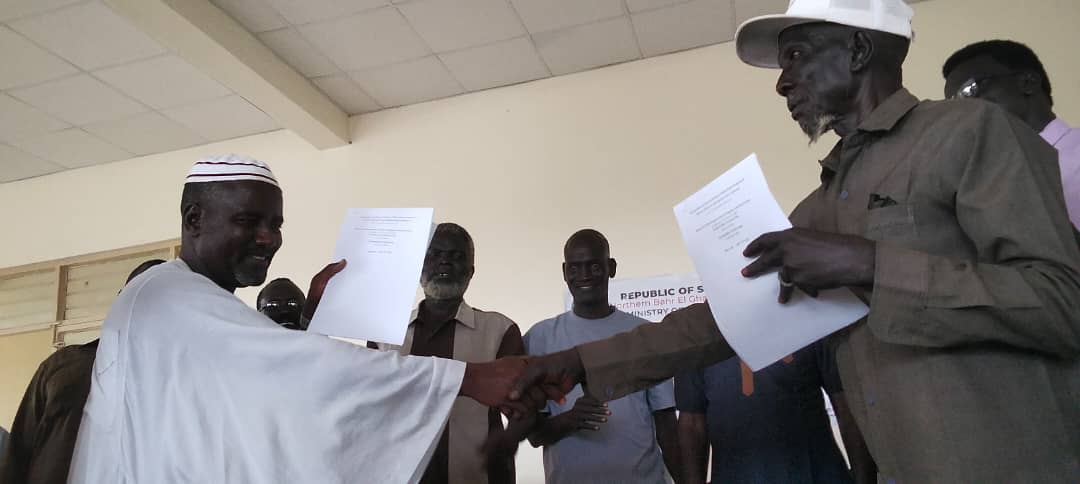
Brought together for peace conferences, leaders from three local communities in Northern Bahr el Ghazal, South Sudan, share their stories with us.
Restoring Dialogue After Years of Conflict
For years, communities living along the border between Sudan and South Sudan have faced rising tensions over grazing land, water, and livestock. Between the pastoralist communities of Sudan – the Misseriya and the Rezigat – and the Dinka Malual in South Sudan, these disputes sometimes escalated into severe violence, killings, and cycles of revenge that threatened households and made peaceful coexistence impossible. These conflicts claimed many lives.
Today, they sit down, engage in dialogue, and find solutions together. With the support of VSF-Switzerland and funding from the Swiss Agency for Development and Cooperation (SDC), the peace conferences – part of the PROWIGA project – have created a space for communication between the communities. At these meetings, pastoralists and local representatives join government officials, security actors, and NGOs to find solutions to these long-standing challenges. The peace measures jointly adopted at these conferences are then disseminated within the communities. Much more than mere meetings, they strengthen traditional conflict-resolution mechanisms, enable local communities to rebuild relationships of trust, and create a safer environment for communities and their livestock.
The presence of all security actors has been key to the success of this initiative. For Brigadier General Alou Marol Kur, everyone has a role to play. By participating in peace conferences and witnessing the signing of resolutions, all stakeholders reaffirm the message that peaceful coexistence is a shared responsibility.
Words from Local Leaders: Peace Through Institutionalized Dialogue
Abdu Rahman Hamadan Muhmad, 65, a leader among the Misseriya, sees a clear change. Having witnessed many years of theft, violence, and disputes over grazing lands, as well as killings and acts of revenge, he believes that resuming dialogue has helped break the cycle of violence. He estimates that nearly 90% of the resolutions adopted during these meetings have been implemented, and that incidents have become less frequent.
On the Rezigat side, one of its representatives, Jidu Baba Hamad, 68, is convinced that these meetings have offered communities the opportunity to resolve their disputes peacefully. In his view, they have also strengthened relations among livestock herders, who now view their neighbors as partners.
For Dinka Malual Paramount, the 76-year-old chief of the Mukuach community, inter-community dialogues are not new, but their institutionalization gives them greater weight.
Everyone is calling for the peace conferences to continue in order to consolidate their impact.
Youth: The Future of Peace
For all the representatives of the three communities, the message is the same: young people must be involved. Although young people are often drawn into conflicts, they should also commit to protecting peace, thereby enabling humanitarian and development aid organizations to provide services and support.
“We have learnt a lot, and we shall educate our youth and bring them along with us in future conferences so that they learn how important peace is in our daily lives and how to stay in peace with our neighbors ” says Jidu.
For VSF-Switzerland, this experience demonstrates the value of investing in local-level dialogue, traditional leadership structures, youth engagement, collaboration with government authorities, and concrete support for livelihoods. This tool complements veterinary services as well as vaccination and awareness campaigns, which reduce animal losses. These efforts also help to reduce mistrust between communities, a potential source of conflict.

Latest reports and stories
Learn about our successes and challenges on the ground in Africa.

“Together we sit, talk, and find solutions”
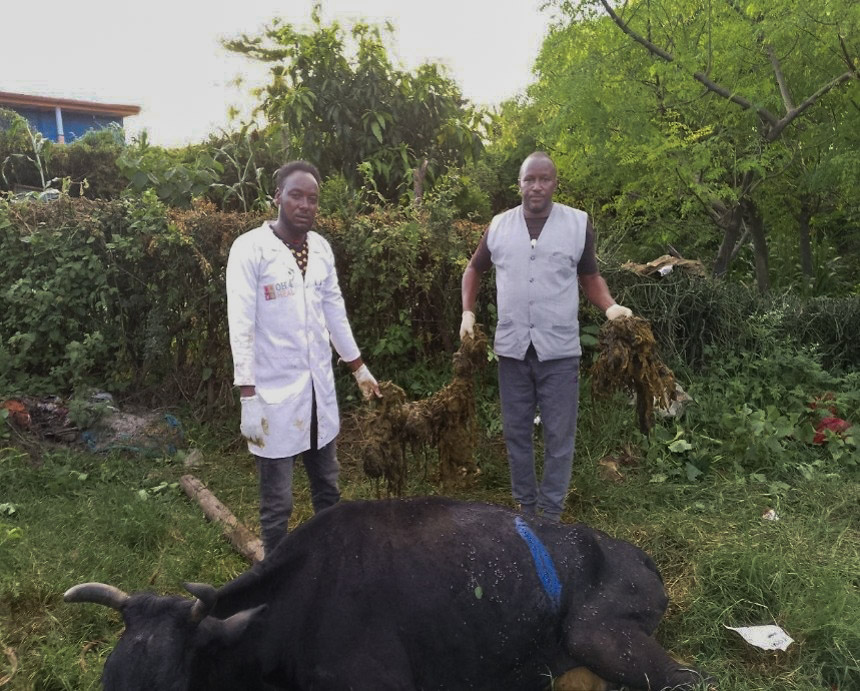
The cow he almost lost
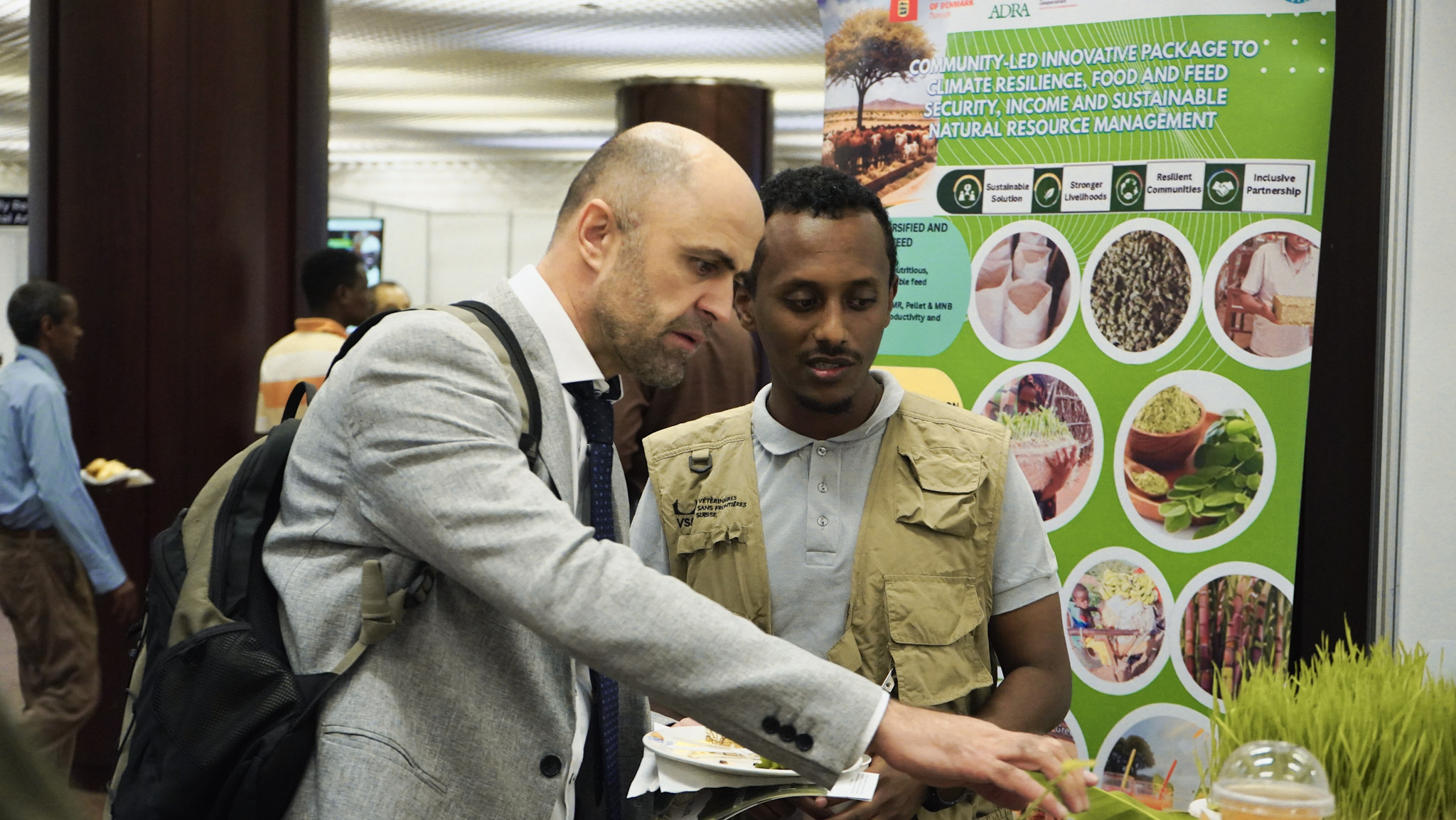
From weed to feed: How local innovation is strengthening pastoral resilience
Latest reports and stories
Learn about our successes and challenges on the ground in Africa.
“Together we sit, talk, and find solutions”
The cow he almost lost
From weed to feed: How local innovation is strengthening pastoral resilience
Donate Now
Our work is only possible because people support us. With a donation, you help keep animals healthy and give families a future.
