
The cow he almost lost

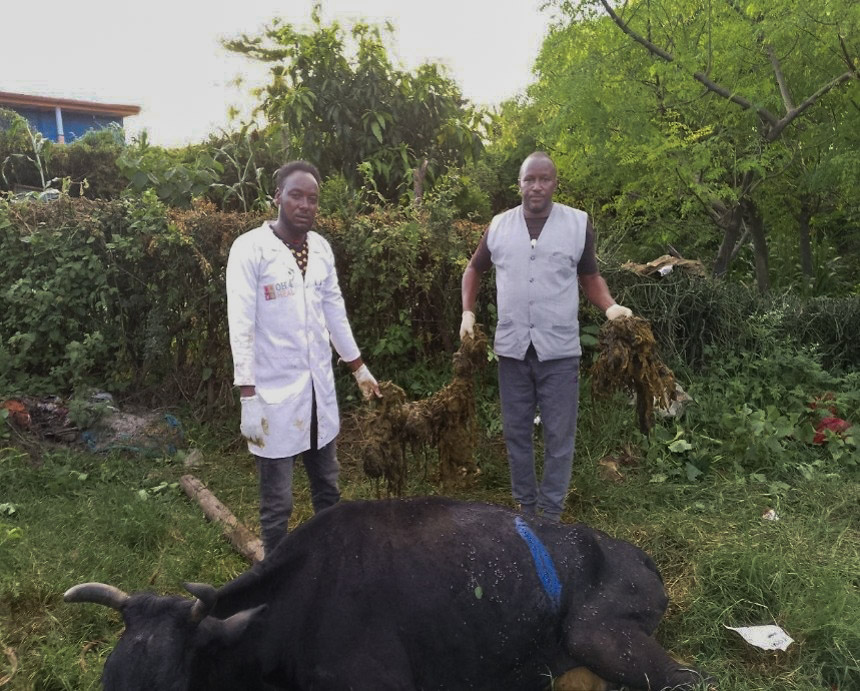
In Bokola Kebele, Moyale District, Ethiopia, a pastoralist who had almost given up hope of saving one of his cattle witnessed how strengthened local veterinary services could make specialized animal health care accessible within his community.
When accessing veterinary care meant a 30-kilometre journey
Jaldessa Gufu, a 75-year-old pastoralist living in Bokola Kebele, Moyale District, Borana Zone, Oromia Region, depends on livestock as an important source of household livelihood, food and nutrition. Like many pastoralists in the area, the health and productivity of his cattle are closely linked to his family's well-being and economic security.
Until several years ago, accessing veterinary services in Bokola was a considerable challenge. The local veterinary post had remained non-functional for years, forcing pastoralists to travel approximately 30 kilometres to Moyale town to purchase veterinary medicines and seek animal health services. Such journeys involved additional transportation costs, delays in treatment and considerable logistical difficulties, particularly when animals required physical examination or specialized veterinary procedures.
For sick or injured animals requiring interventions such as wound management, obstetrical assistance or the management of difficult births (dystocia), the situation was even more challenging.
The situation began to change following the rehabilitation of the Bokola veterinary post through support from the VSF-Suisse-led HEAL project. With improved access to veterinary medicines, treatment and professional services, pastoralists could increasingly seek assistance locally rather than undertake costly journeys to Moyale town.
A life-threatening condition and an unexpected solution
Jaldessa encountered a serious challenge one year ago when one of his five cows developed a severe and unusual health condition. The animal progressively became emaciated, developed an enlarged abdomen, lost its appetite and became increasingly weak, while his other cattle remained in relatively good condition.
Concerned about the animal's deteriorating condition, Jaldessa sought assistance from Dida, a veterinary technician based at the Bokola veterinary post and a member of the local One Health Unit (OHU).
Following a clinical examination, Dida suspected ruminal impaction caused by the accumulation of foreign materials, particularly plastic waste, in the cow's rumen. The animal required a specialized surgical procedure known as rumenotomy to remove the accumulated materials and give it a chance of recovery.
For Jaldessa, this recommendation initially came as a shock. He had never imagined that such a specialized operation could be performed locally. With his refreshed training in veterinary surgical procedures and the necessary surgical equipment available through HEAL project, the operation could be performed. This strengthened Jaldessa's confidence, and he agreed to bring his cow to the veterinary post for the operation.
A successful operation that saved a valuable household asset
Dida performed the abdominal surgery successfully, removing approximately 10 kilograms of accumulated foreign materials, mainly plastic bags, from the cow's rumen.
The operation marked a turning point for Jaldessa and his family. The cow gradually recovered, regained its strength and returned to good health. Following its recovery, the animal subsequently gave birth to a calf and resumed producing milk, restoring an important source of household production.
Reflecting on the experience, Jaldessa expressed his surprise and gratitude:
"I was amazed to see my cow recover. I had already lost hope of saving this animal. Thanks to the HEAL project, and above all, to God, my cow has become one of my most productive assets. I never imagined that such specialized veterinary surgery could be performed right here in Bokola. I sincerely appreciate the veterinary post for providing a wide range of services, including advanced surgical interventions, in addition to routine treatment and vaccination services."
Beyond saving one cow: HEAL's work
Jaldessa’s story shows what stronger animal health services mean for families who depend on livestock. In Ethiopia’s Borana Zone, the HEAL project, led by VSF-Suisse, has supported eight One Health Units. It rehabilitated veterinary posts, supplied veterinary medicines and equipment, and trained animal health professionals, including through refresher courses.
The case also highlights an important environmental concern affecting livestock health: the ingestion of plastic waste by grazing animals. All these foreign materials inside Jaldessa's cow show how environmental contamination can directly affect animal health and productivity. This reinforces the relevance of considering environmental health alongside animal and human health within the broader One Health approach.
Investments in local veterinary infrastructure, professional capacity and essential equipment can make a meaningful difference. For pastoralists whose livelihoods depend heavily on livestock, timely access to quality animal health services is not simply a matter of convenience. It is essential in protecting productive assets, sustaining household food sources and strengthening resilience.

Latest reports and stories
Learn about our successes and challenges on the ground in Africa.

The cow he almost lost
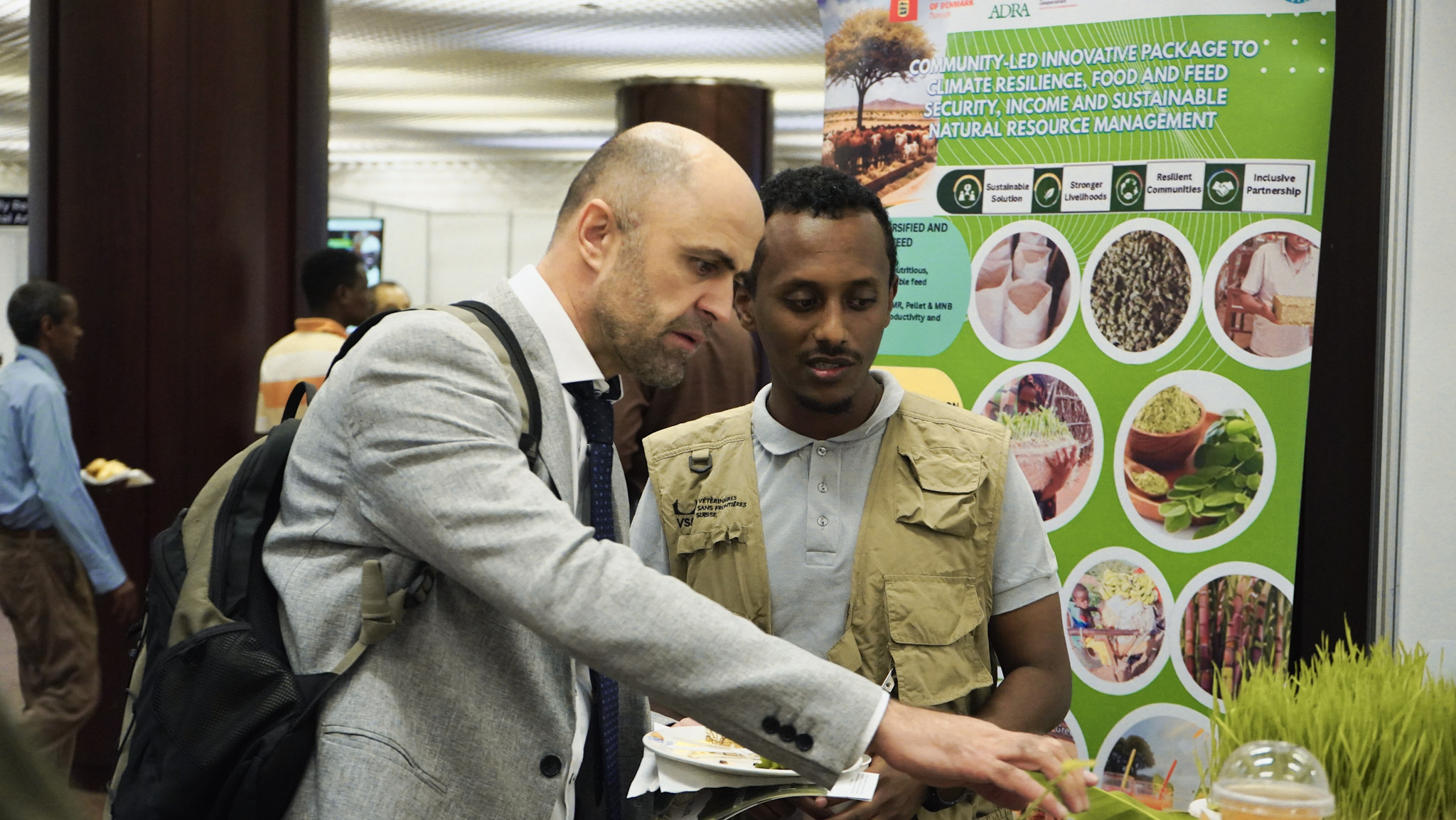
From weed to feed: How local innovation is strengthening pastoral resilience
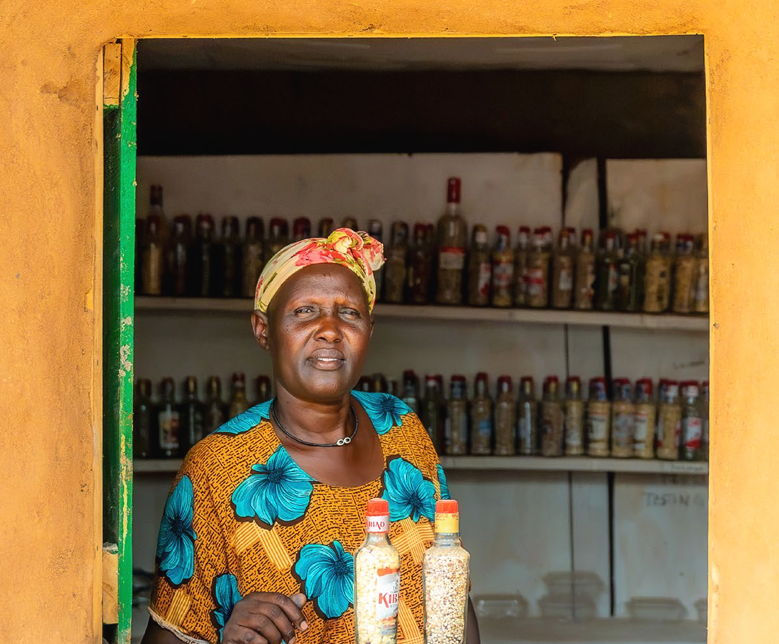
Sufosec Alliance in Scientific Reports: our data stand up to scientific scrutiny
Latest reports and stories
Learn about our successes and challenges on the ground in Africa.
The cow he almost lost
From weed to feed: How local innovation is strengthening pastoral resilience
Sufosec Alliance in Scientific Reports: our data stand up to scientific scrutiny
Donate Now
Our work is only possible because people support us. With a donation, you help keep animals healthy and give families a future.
