
Our Strong Partners
Governmental Organizations






International Organizations





Foundations & Swiss Public Sector
Medicor Foundation
City of Zurich
Canton of Bern
Canton of Basel-Stadt
Canton of Aargau
Däster Schild Foundation
Canton of Baselland
Biovision
Brooke
Networks, Alliances & Civil Society

.jpg)
Research Institutes and Private Sector
HAFL School of Agricultural, Forest and Food Sciences
Swiss TPH
Virbac Schweiz AG
Implementation Partner
CabDEMESO
GEVAPAF
AMREF
ILRI
CEMIRIDE
RBM
SOMIRENEC

Impact & Quality Assurance
We work with clear goals and systematically review our impact. Together with our partner organizations, we regularly analyze progress and adjust our projects as needed. This ensures that our work remains effective, relevant, and sustainable in the long term.
In implementing its projects, VSF-Suisse adheres to international quality and compliance standards. As a partner organization and employer, we are committed to clear guidelines and policies in areas such as human resources management, prevention of sexual exploitation, abuse and harassment (PSEAH), corruption prevention, safety management, procurement and logistics, partnerships, and much more. We are happy to provide policies and guidelines upon request.
Read our Code of Conduct, which all employees must adhere to: Code of Conduct
Zewo Certification & Core Humanitarian Standards
VSF-Suisse is Zewo-certified. This seal of approval confirms the responsible and transparent handling of donations, as well as the effective and economical use of funds.
As a member of the CHS Alliance, VSF-Suisse is committed to upholding the Core Humanitarian Standard (CHS). This strengthens quality, accountability, and the involvement of affected communities in our work.

How you can become our partner
VSF-Suisse works on sustainable solutions and provides humanitarian aid in the Sahel and the Horn of Africa. Our projects combine humanitarian aid with long-term development cooperation and link veterinary expertise with the strengthening of local structures.
Unrestricted contributions allow us to flexibly deploy resources where they are most urgently needed. Institutional partners can also specifically support existing projects – especially within the framework of thematic or geographical funding strategies.

More about us
Learn more about VSF-Suisse and the people behind it.

Schedule a meeting
We would be happy to discuss the most suitable form of collaboration with you.



Frequently Asked Questions about collaborating with VSF-Suisse
VSF-Suisse strengthens the livelihoods of vulnerable communities in the Sahel and the Horn of Africa. Our projects promote animal health, food security, income, and the resilience of communities in fragile contexts.
We systematically review the impact of our work using clearly defined goals, indicators, and regular data collection. Together with our partners, we continuously analyze progress and further develop our programs based on evidence.
VSF-Suisse operates in the Sahel and the Horn of Africa, including Somalia, Kenya, Ethiopia, South Sudan, Chad, Mali, Togo, as well as across borders in Burkina Faso, Niger, and Côte d'Ivoire.
In these regions, many communities are highly dependent on livestock farming and are simultaneously particularly affected by climate change, droughts, diseases, conflicts, and limited access to services. With our veterinary and One Health expertise, we make a significant contribution to food security and strengthening resilient livelihoods there.
VSF-Suisse is not a traditional animal welfare organization. We are active in international cooperation and humanitarian aid, utilizing veterinary expertise to strengthen the livelihoods, food security, and resilience of communities through improved animal health.
Animal welfare is an important component of our work. Healthy animals ensure food, income, and stability for many families. Therefore, we promote animal health, good husbandry practices, and prevention in line with the One Health approach: Healthy animals, healthy people, and a healthy environment belong together.
VSF-Suisse operates with clear internal guidelines, defined responsibilities, and established processes in project management, finance, procurement, and logistics.
Our work is guided by international standards such as the Core Humanitarian Standard (CHS), the Livestock Emergency Guidelines and Standards (LEGS), and the Zewo criteria. This is complemented by comprehensive policies in areas such as human resources management, prevention of sexual exploitation and abuse, corruption prevention, safety and security management, procurement and logistics, partnerships, and much more.
Collaboration with local partners and communities is central to VSF-Suisse's approach. We work closely with authorities, specialized agencies, local organizations, and community structures.
Affected communities are involved in the planning, implementation, and further development of projects whenever possible. This strengthens local ownership and builds upon existing structures.
VSF-Suisse offers various forms of collaboration for institutional partners. These include unrestricted contributions as well as targeted support for individual projects or thematic priorities.
Together with our partners, we develop funding models that align with their strategic priorities and impact goals.
Still have questions?
Contact us directly for more information.
Latest Reports and Stories
Learn about our successes and challenges on the ground in Africa.
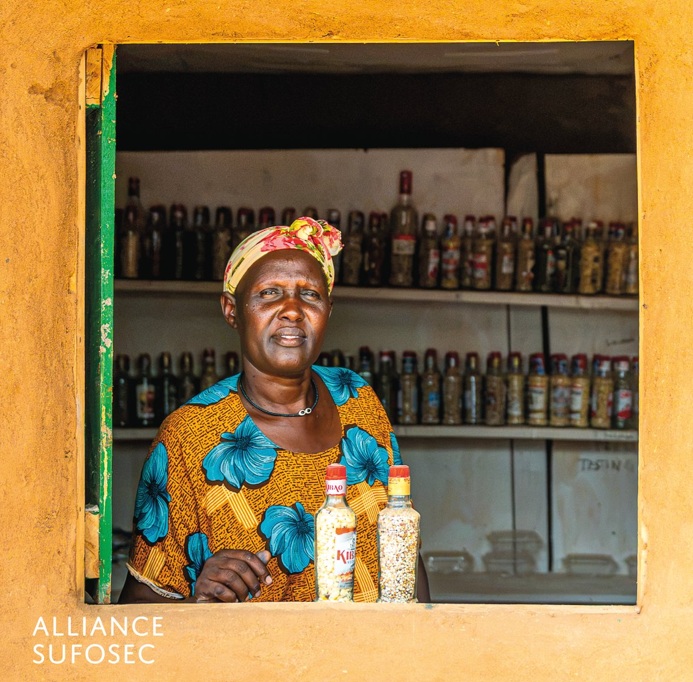

New study: Swiss development projects make a difference
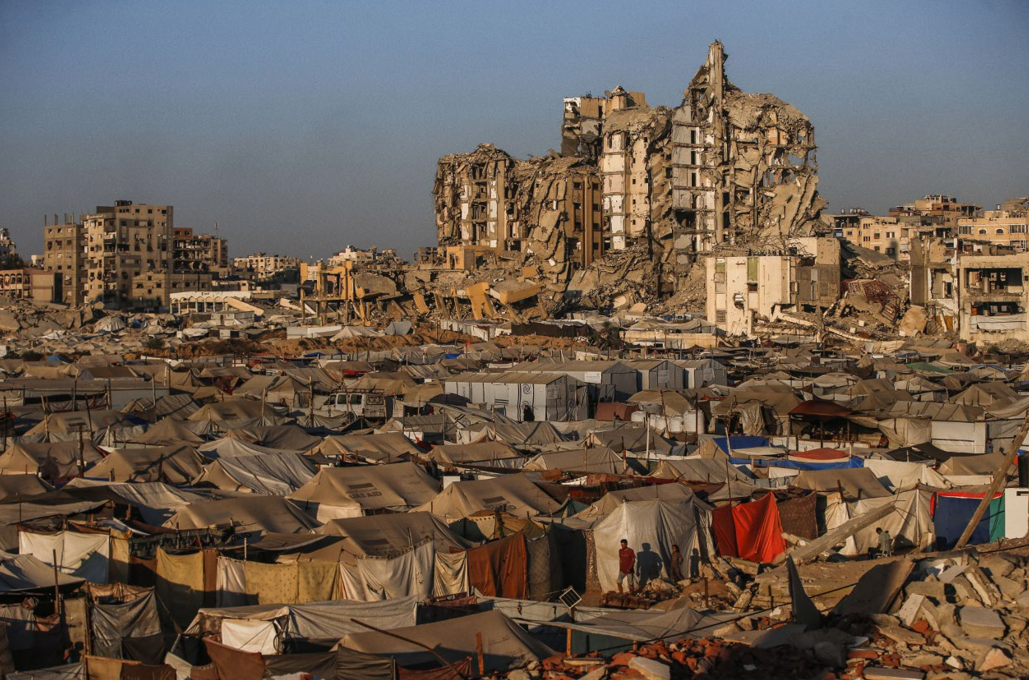
Stability in uncertain times: Together for strong international cooperation
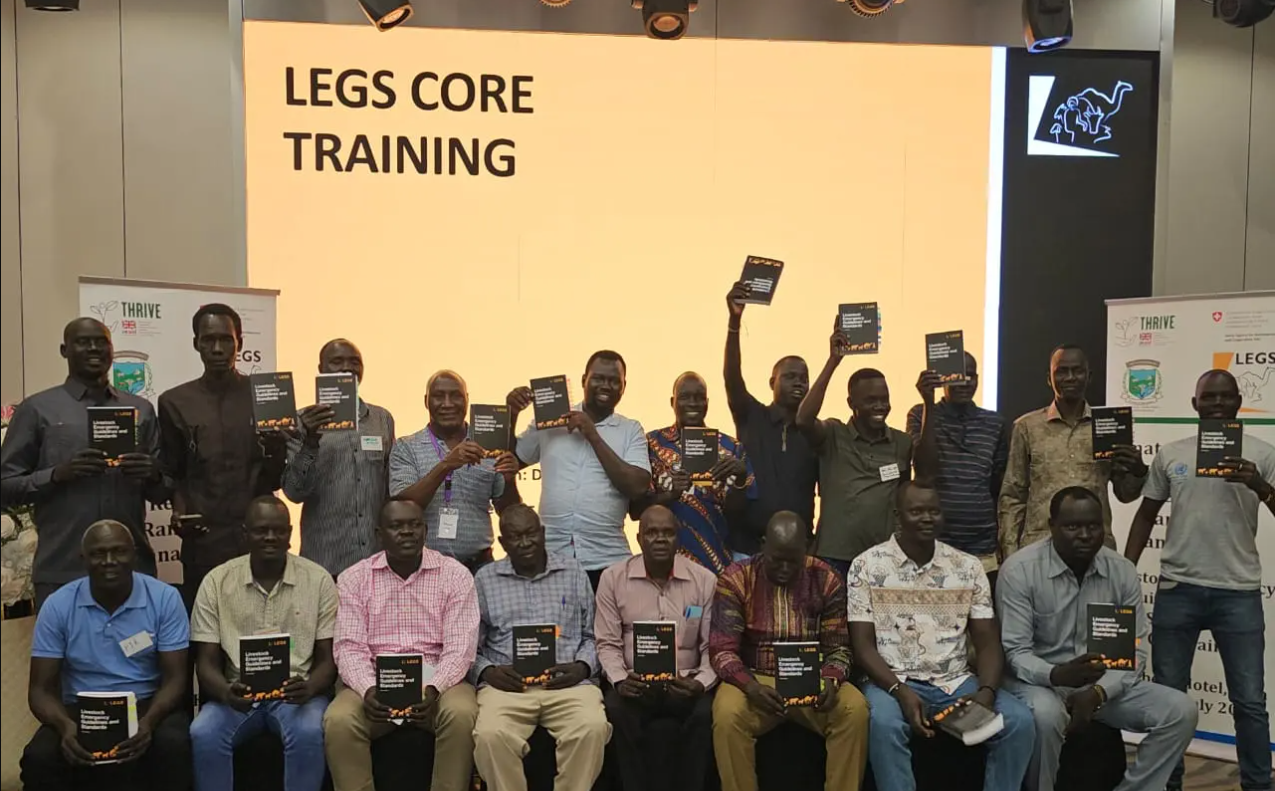
Eight principles for emergency response
Latest reports and stories
Learn about our successes and challenges on the ground in Africa.
New study: Swiss development projects make a difference
Stability in uncertain times: Together for strong international cooperation
Eight principles for emergency response