
Emergency Support to improve resilience of pastoralists affected by recurrent drought (Project HRF NOGOB JARAR)
Project Overview
Country
Ethiopia
Project name
Project status
Completed
Duration of the project
| Start: | 15.01.2014 |
| End: | 15.10.2014 |
| 9 months |
Budget
Donors
UN OCHA
Project area
Topics
Tags
Background
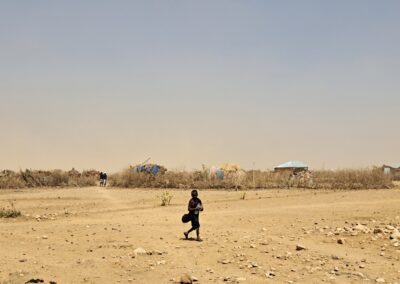
In the Nogob and Jarar zones, people suffer from huge problems from livestock diseases due to lack of proper veterinary care, support services, and drug supply systems. Hence, there has been severe undermining of livelihoods and the general food security situation in the targeted areas. Thus, an immediate emergency intervention and a sustained response of VSF-Suisse over nine months will help alleviate drought related emergencies, maintain food and nutrition security, and protect the livelihoods of the most vulnerable pastoralist families in the area.
Project:
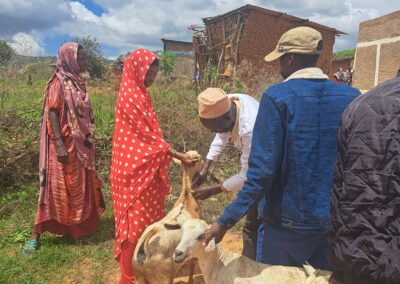
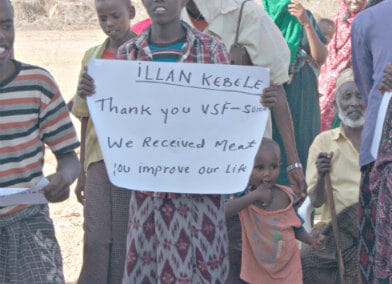
Animal health support is a core livelihood-based intervention in pastoral areas considering the huge production losses caused by widespread livestock mortality throughout the year and especially during drought events. . . Animal health interventions bring immediate and substantial benefits to pastoralists by preserving their main livelihood asset, which is their livestock. According to the impact assessment report of VSF-Suisse in 2013, redistribution of milking goats to drought affected households targeting malnourished children under the age of 5, has been proven to be very successful in sustainably addressing malnutrition.
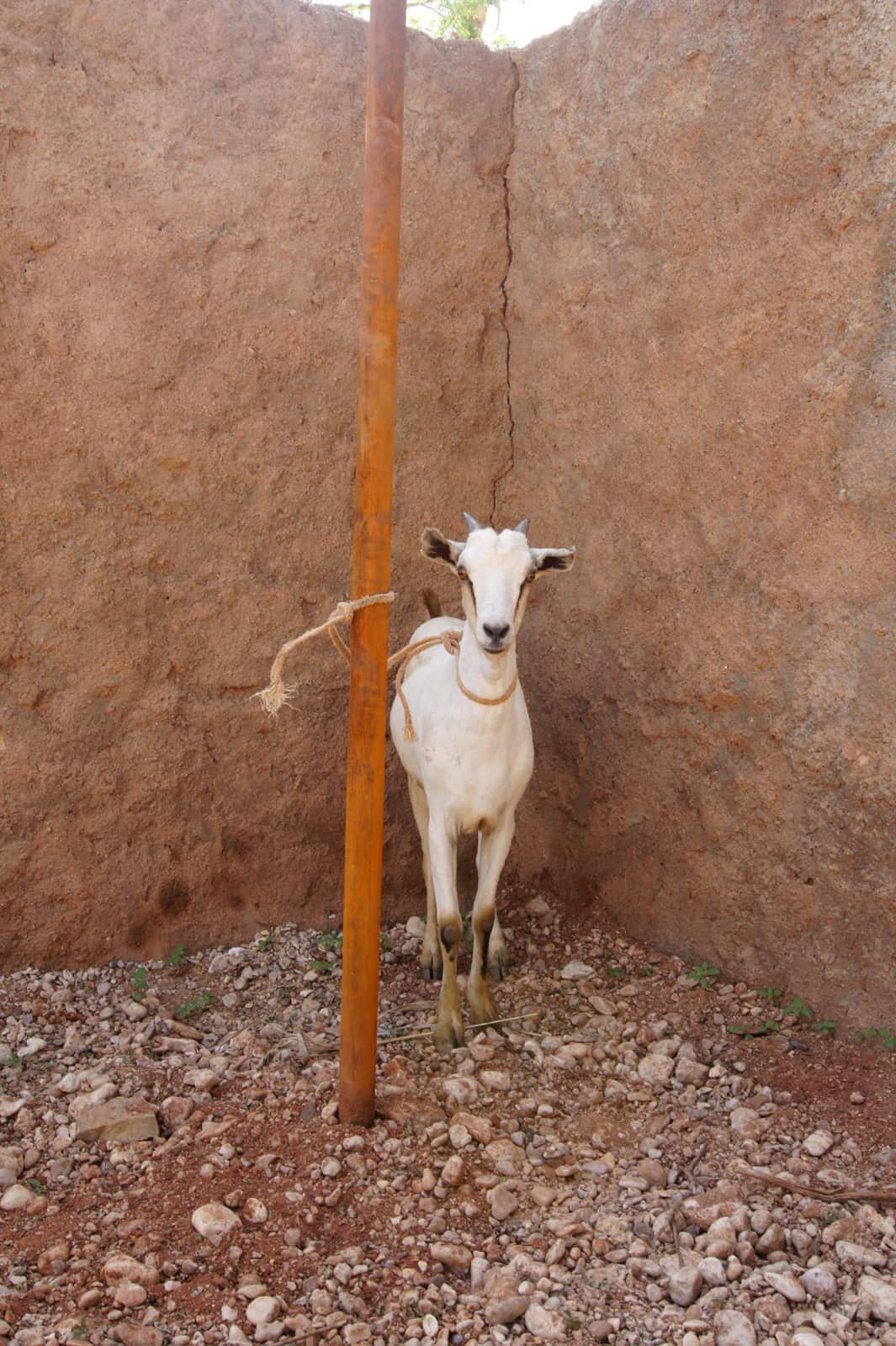
The project targets food insecure and vulnerable households and aims at increasing the availability of animal proteins. The households’ diet is diversified by introducing milking goats and therefore improving access to goat milk. Community members can increase their income by selling their livestock and thereby support the local markets with cash injections. Moreover, household assets increase as the milking goats will further reproduce.
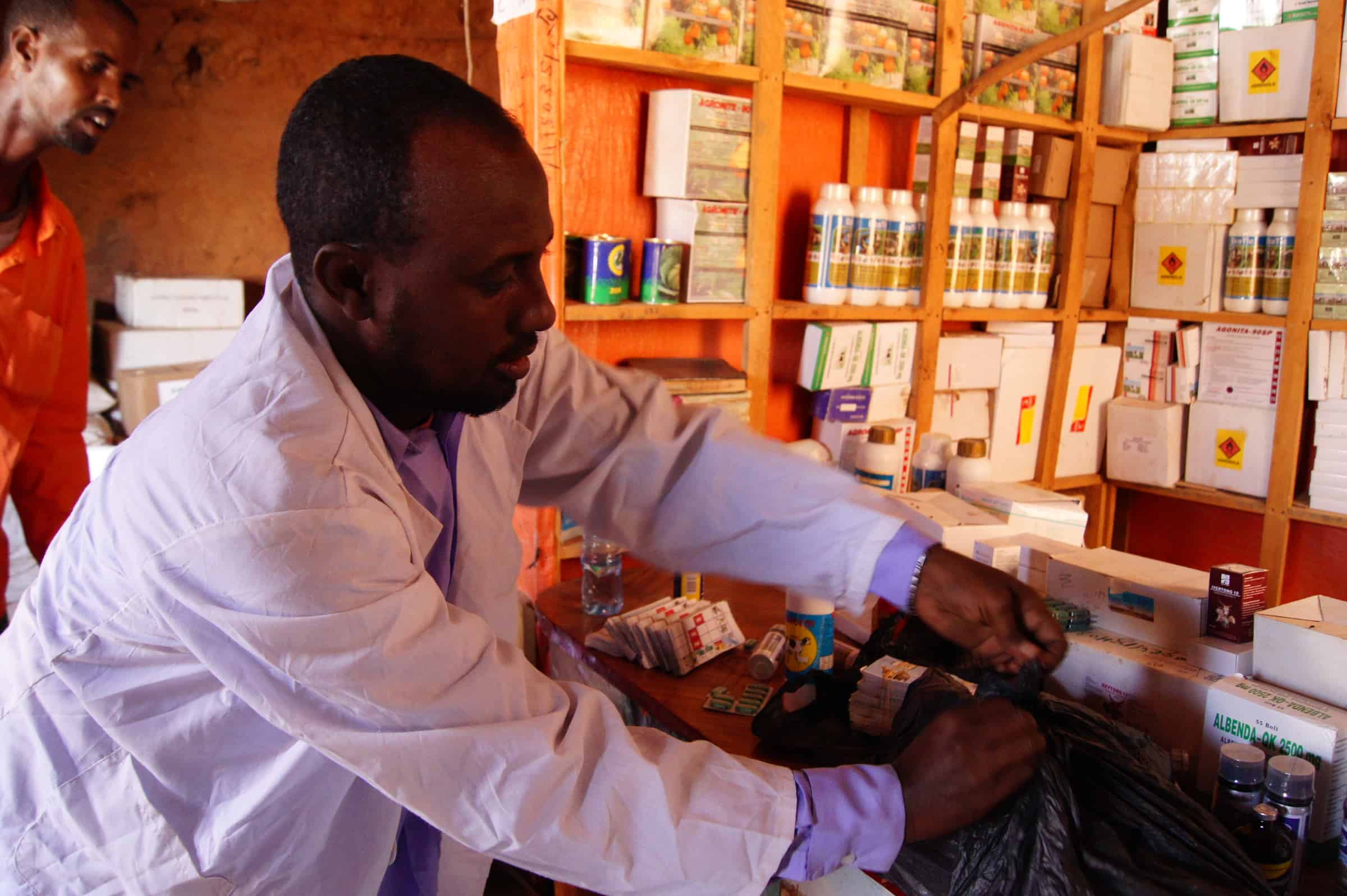
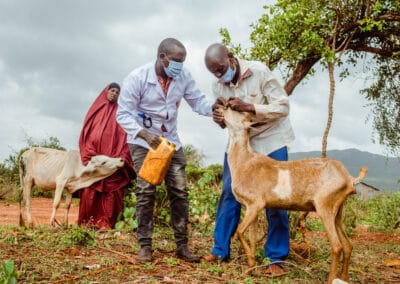
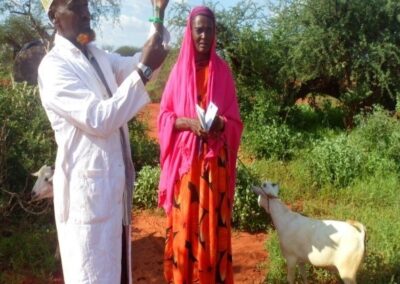
The VSF-Suisse’s project intervention also involves the provision of veterinary services to livestock producers in targeted areas through a voucher scheme. By training veterinary auxiliaires and distributing treatment and medication vouchers, the local animal health system is strengthened. Community based animal health workers (CAHWs) play a pivotal role in reducing morbidity and mortality of the herds, and VSF-Suisse provides them with basic veterinary kits and drug supply.The livestock drugs voucher distribution ensures the protection of the key livestock assets required for early recovery after eventual drought events.

Impressions from our project work in Ethiopia
SONY DSC
Impressions from our project work in Ethiopia
SONY DSC
Impressions from our project work in Ethiopia

SONY DSC
Impressions from our project work in Ethiopia
Further projects in the country
Finished Projects:
.
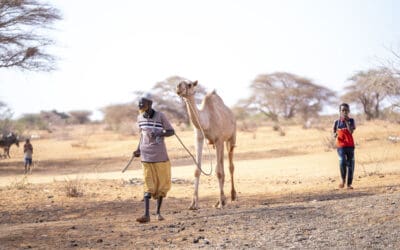
Camels against climate change: celebrating the international year of the Camelids
The still young year is to be all about camelids. This was decided by the United Nations. The aim is to raise awareness of how important camelids are for the livelihoods of many people - and will become even more important in the future in view of the rapid...
Horn of Africa: from drought to flooding
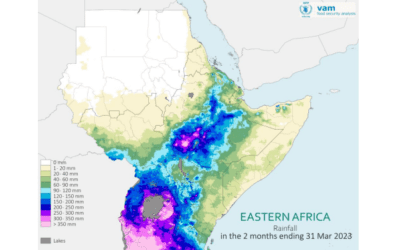
Rainfall in parts of the Horn of Africa. © WFP After dry and hot weather conditions in January and February and a corresponding prolongation of the drought in the Horn of Africa, seasonal rains from March to May started on time in equatorial areas of the region and...
Working against drought and hunger in Ethiopia
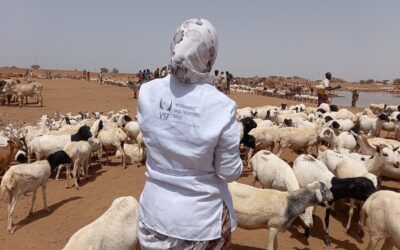
Pictured: A community animal health worker trained by VSF-Suisse vaccinating goats in Ethiopia. © VSF-Suisse © VSF-Suisse The severe drought and the resulting food crisis continue to threaten human and animal lives in the Horn of Africa (we reported)....